
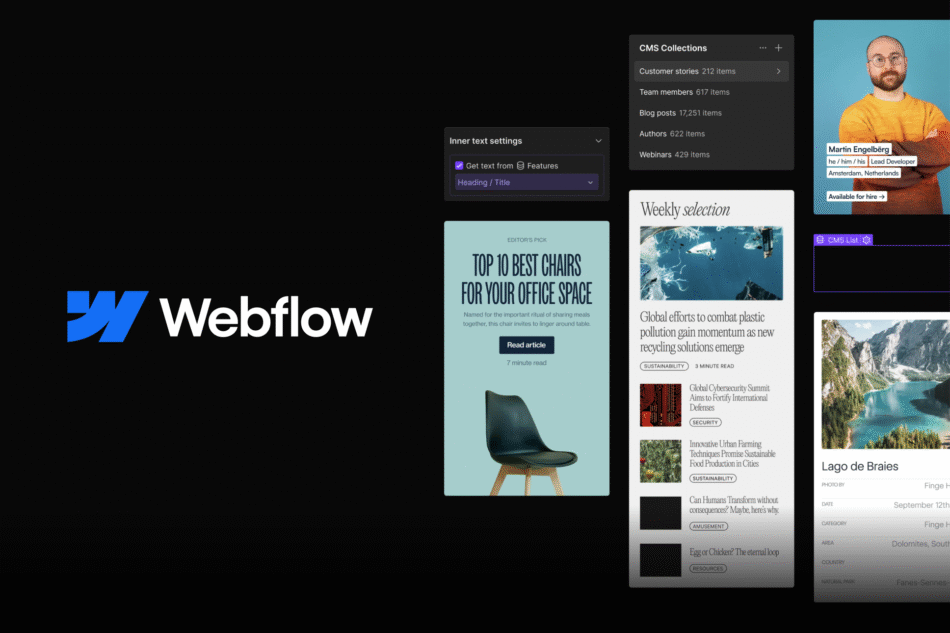
In the realm of website development, customizability stands as a cornerstone feature that empowers users to tailor their online presence according to specific needs and preferences. A platform that offers extensive customization options allows users to modify layouts, colors, fonts, and functionalities without requiring advanced coding skills. This flexibility is particularly beneficial for businesses and individuals who wish to create a unique brand identity.
For instance, a small business owner can easily adjust the design elements of their website to reflect their brand's personality, ensuring that the site resonates with their target audience. Moreover, customizability extends beyond mere aesthetics; it encompasses the ability to integrate various functionalities that enhance user experience. For example, a restaurant might want to include an online reservation system, while an artist may prefer a gallery showcase for their portfolio.
Platforms that support drag-and-drop builders or customizable templates enable users to implement these features seamlessly. This level of adaptability not only enhances user satisfaction but also contributes to improved engagement metrics, as visitors are more likely to stay on a site that meets their expectations and needs.
The plugin ecosystem is a vital aspect of modern web development platforms, providing users with the ability to extend the functionality of their websites without extensive programming knowledge. A robust plugin marketplace offers a plethora of options, ranging from simple enhancements like social media sharing buttons to complex integrations such as customer relationship management (CRM) systems. This diversity allows users to pick and choose the tools that best fit their operational requirements, making it easier to scale their websites as their needs evolve.
For instance, an e-commerce site may benefit from plugins that facilitate payment processing, inventory management, and shipping logistics. By integrating these plugins, the site can streamline its operations and provide a smoother shopping experience for customers. Additionally, the availability of plugins for SEO optimization can significantly enhance a website's visibility on search engines, driving more organic traffic.
The continuous development of new plugins ensures that users have access to the latest technologies and trends, keeping their websites competitive in an ever-changing digital landscape.
E-commerce functionality is increasingly becoming a non-negotiable feature for websites aiming to capitalize on online sales opportunities. A comprehensive e-commerce solution encompasses various elements such as product listings, shopping carts, secure payment gateways, and order management systems. The integration of these features allows businesses to create a seamless shopping experience for customers, which is crucial in today's fast-paced digital marketplace.
For example, platforms that offer built-in e-commerce capabilities enable users to set up an online store quickly and efficiently. Users can categorize products, manage inventory levels, and track sales performance through intuitive dashboards. Furthermore, advanced features like abandoned cart recovery and personalized product recommendations can significantly enhance conversion rates.
By leveraging these functionalities, businesses can not only increase sales but also foster customer loyalty through improved service and engagement.
Blogging capabilities are essential for any website looking to establish authority and engage with its audience effectively. A well-integrated blogging platform allows users to create and publish content easily while providing tools for managing posts, comments, and categories. This functionality is particularly important for businesses aiming to drive traffic through content marketing strategies or individuals looking to share their expertise in a particular field.
The ability to incorporate multimedia elements such as images, videos, and infographics into blog posts enriches the content and makes it more appealing to readers. Additionally, features like social sharing buttons and comment sections encourage interaction and community building around the content. For instance, a travel blogger can share personal experiences and tips while engaging with readers through comments and social media shares.
This interaction not only enhances the user experience but also contributes to building a loyal following over time.
User management and membership functionalities are critical for websites that require controlled access or wish to foster community engagement. These features allow site administrators to create user accounts with varying levels of access, enabling them to manage who can view or interact with specific content. This is particularly useful for membership-based sites or platforms offering premium content.
For example, an online course platform can utilize user management features to create different membership tiers, granting access to exclusive materials based on subscription levels. This not only incentivizes users to upgrade their memberships but also allows for tailored communication based on user preferences and behaviors. Furthermore, robust user management systems often include analytics tools that provide insights into user engagement and activity patterns, enabling site owners to refine their offerings continually.
Platforms that offer comprehensive SEO options empower users to optimize their content effectively, ensuring that it ranks well in search results. Key features often include customizable meta tags, XML sitemaps, and integration with analytics tools that track performance metrics.
For instance, a website focused on health and wellness can utilize SEO tools to identify relevant keywords and optimize blog posts accordingly. By implementing best practices such as alt text for images and internal linking strategies, the site can improve its chances of ranking higher in search results.
Additionally, many platforms provide guidance on SEO best practices through tutorials or built-in suggestions, making it easier for users with limited technical knowledge to enhance their site's visibility.
In an increasingly globalized world, multilingual support is becoming essential for websites aiming to reach diverse audiences. Platforms that offer multilingual capabilities allow users to create content in multiple languages seamlessly, catering to visitors from different linguistic backgrounds. This feature not only broadens the potential audience but also enhances user experience by providing content in the preferred language of the visitor.
For example, an international e-commerce site can implement multilingual support to ensure that customers from various countries can navigate the site comfortably and understand product descriptions without language barriers. Additionally, search engines favor websites that provide localized content, which can further improve visibility in different regions. By investing in multilingual capabilities, businesses can demonstrate inclusivity and commitment to customer satisfaction while expanding their market reach.
The choice of hosting and domain options plays a pivotal role in the overall performance and accessibility of a website. Reliable hosting services ensure that a site remains operational with minimal downtime while providing adequate speed and security measures. Many platforms offer integrated hosting solutions that simplify the process for users who may not have technical expertise in managing servers or domains.
For instance, a small business owner launching their first website may opt for a platform that includes hosting services as part of its package. This eliminates the need for separate hosting arrangements and allows for easier management of domain registration and renewal processes. Furthermore, some platforms offer scalable hosting solutions that can grow alongside a business's needs, accommodating increased traffic or additional features without requiring significant changes or migrations.
By providing flexible hosting and domain options, platforms empower users to focus on building their online presence rather than getting bogged down by technical details.
One related article that discusses the differences between Webflow and WordPress is "All Work" by Dan Weaver. In this article, Weaver explores the various features and functionalities that Webflow lacks compared to WordPress, such as the ability to easily integrate third-party plugins and themes. To read more about this topic, you can check out the article here.


